What is it: Button
The button is a fundamental component in embedded systems and user interfaces, used to start or stop a specific action. In technical terms, a button can be described as an input device that, when pressed, sends an electrical signal to a microcontroller or other type of control system. This interaction is crucial in several applications, from household appliances to complex industrial automation systems.
Types of Buttons
There are several types of buttons, each designed to meet specific needs. Mechanical buttons, for example, are physically activated and can be found on control panels. Capacitive buttons, which detect the presence of touch, are common on mobile devices and modern interfaces. The choice of button type depends on the usage environment and the characteristics of the embedded system in question.
Button Operation
The operation of a button is based on electrical and mechanical principles. When a button is pressed, it closes an electrical circuit, allowing current to pass through. This action is detected by the microcontroller, which then executes the programmed function. Response time and button durability are important factors to be considered in the design of embedded systems, as they directly impact the user experience.
Button Applications in Embedded Systems
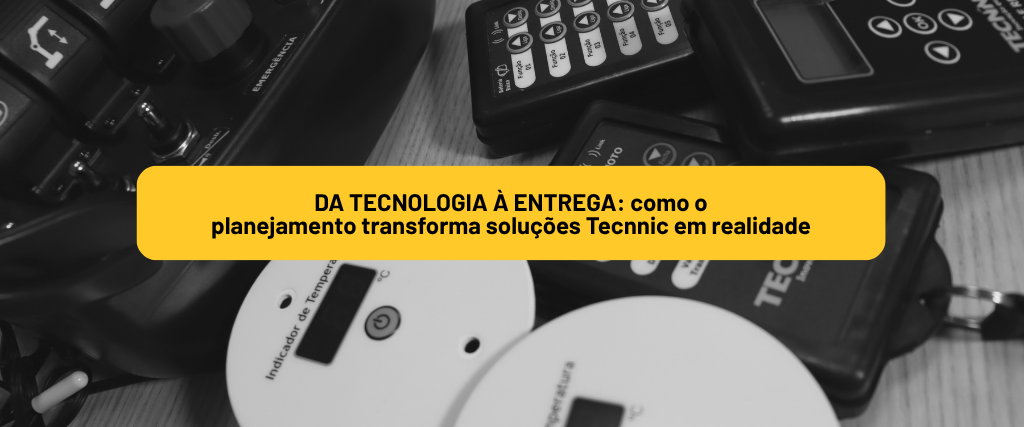
Buttons are widely used in embedded systems, such as remote control devices, machine panels, and medical equipment. In each of these applications, the button plays a crucial role in the user's interaction with the system. For example, on a remote control, the button allows the user to select channels or adjust volume, while on a medical device, it can be used to initiate critical procedures.
Buttons and User Interface
The user interface (UI) is a vital aspect of any system that uses buttons. The arrangement, size and tactile response of the buttons influence the usability of the device. Good UI design considers ergonomics and accessibility, ensuring that buttons are easily identifiable and actionable. This is especially important in industrial environments, where efficiency and safety are paramount.
Buttons and Programming
In embedded systems programming, the button is often used as an interrupt event. This means that when pressed, the button can interrupt the normal flow of the program to perform a specific task. This functionality is essential in applications that require quick responses to user actions, such as security systems or emergency devices.
Maintenance and Durability of Buttons
Button durability is a critical factor in embedded systems, especially in industrial applications where use is intense. Mechanical buttons can wear out over time, while capacitive buttons can be affected by dirt and moisture. Choosing high-quality materials and implementing rigorous testing are essential to ensuring the longevity and reliability of the buttons in any system.
Innovations in Buttons
With the advancement of technology, new innovations in buttons have emerged. Touch-sensitive buttons, for example, are becoming increasingly popular on electronic devices, allowing for more intuitive interaction. Additionally, integrating haptic and visual feedback into buttons can improve the user experience, making the interaction more satisfying and efficient.
Final Thoughts on Buttons
Buttons are essential components in embedded systems, playing a crucial role in user interaction with technology. From choosing the type of button to designing the user interface, every detail must be carefully considered to ensure the functionality and usability of the system. The continuous evolution of buttons and their integration into new technologies promises to further transform the way we interact with electronic devices.